Full Story
For too long, study abroad and global learning programs have overlooked the depth of opportunity across the African continent. The default map of global education still runs through the same European capitals, the same well-worn itineraries, the same set of assumptions about where students should go to “see the world.”
That map is incomplete. And it is starting to look outdated.
Africa is home to the world’s youngest population, its fastest-growing cities, and some of the most consequential innovation happening in fintech, agritech, healthtech, and renewable energy. By 2050, one in four people on the planet will be African. The leaders, founders, and institutions shaping that future are already at work. Students who never engage with the continent are missing an entire chapter of how the global economy is being rebuilt.
At Hilltop Global Group, we believe three things shape what global education should become.
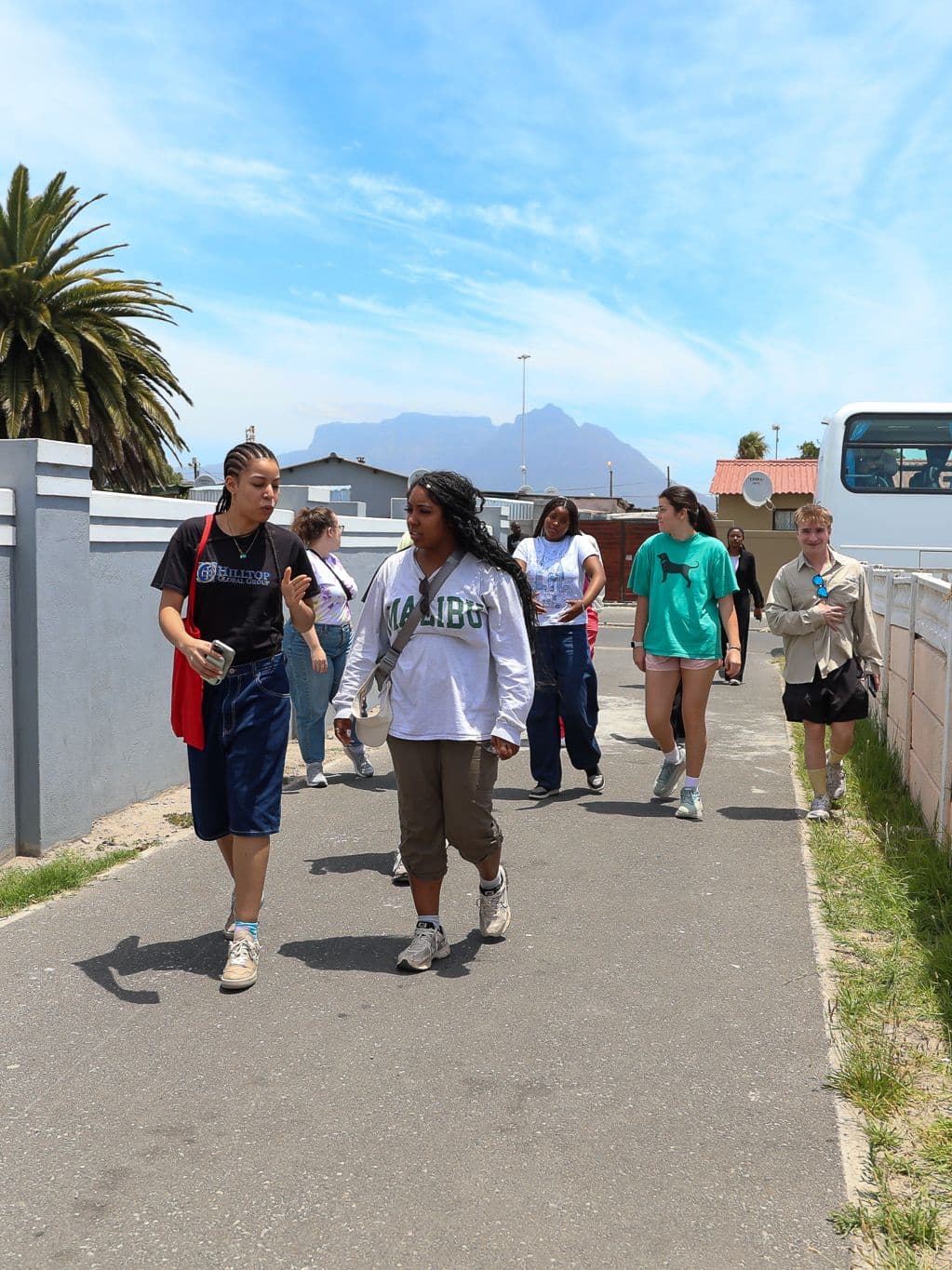
Learning should happen with communities, not just about them. The difference matters. Programs that treat communities as case studies produce tourists with fancier vocabulary. Programs that treat communities as collaborators produce graduates who know how to work across difference, listen carefully, and contribute meaningfully.
Students gain more when theory meets lived experience. A textbook chapter on emerging markets cannot compete with a month spent working alongside a Kigali-based founder scaling a healthtech company. The classroom builds frameworks. The continent stress-tests them.
Africa offers unmatched insight into innovation, leadership, and resilience. The conditions that produce great leadership are rarely comfortable. Students who learn to navigate complexity, ambiguity, and constraint inside African economies leave with a kind of problem-solving fluency that is hard to acquire anywhere else.
Experiential learning in Africa does not just broaden perspective. It reshapes worldviews. It changes how students think about their careers, their fields, and what they are capable of contributing.
The institutions that recognize this early will be the ones whose graduates show up to 2030 ready for the world that actually exists.
We would love to hear from educators and institutions building toward this. What are your top one to three global program priorities right now? Access, internships, faculty-led programs, workforce readiness, entrepreneurship, industry partnerships? Drop them in the comments.
And if you are actively planning for 2026, send us a message and let’s set a 15-minute call to map what next steps could look like.
Learn more at hilltopglobalgroup.com.