Full Story
Your students came back from London and Madrid with photos.
They came back from Africa with a different operating system.
I’ll say something that might make some global education leaders uncomfortable: the destinations you’re proudest of may be producing the least growth.
London. Singapore. Barcelona. Madrid. Safe bets. Institutional favorites. And for most students, a slightly more expensive version of what they already know.
Now look at what happens when students land in Accra, Nairobi, or Kigali.
They can’t default to assumptions. Supply chains follow a different logic. Consumer behavior shifts. Negotiation has a different rhythm. They have to actually think, not just observe.
They adapt culturally, or they don’t survive the learning. They learn to read rooms differently, dress differently, and communicate differently. Not because someone assigned it, but because the environment demands it. That’s not a module. That’s real competence being built in real time.
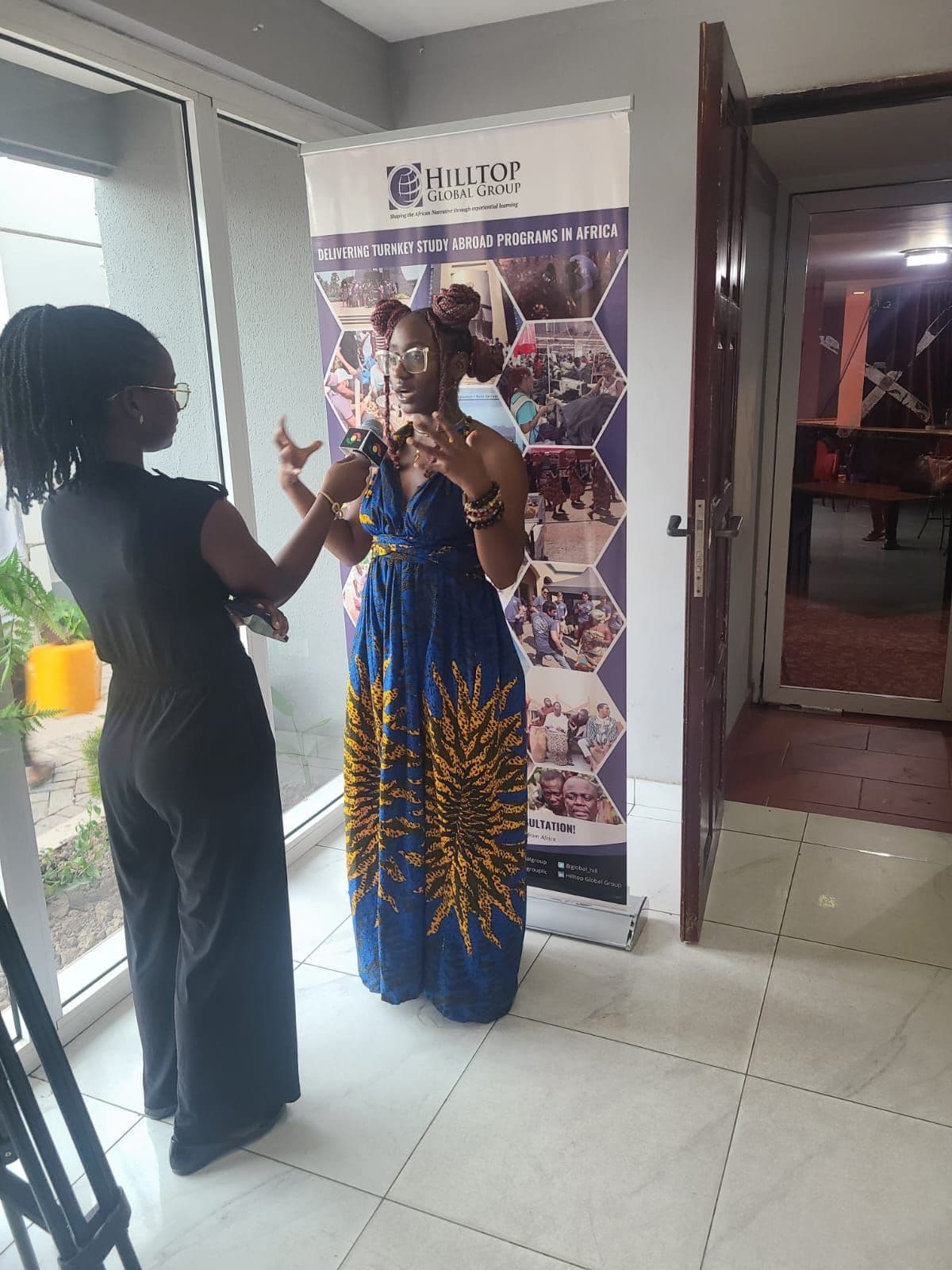
They find their voice in unfamiliar rooms. Some of our students were recently interviewed on national television in Ghana. Not as tourists. As contributors, articulating what they learned, how they grew, and why it matters. You don’t get that kind of confidence from a semester sitting in a London lecture hall.
(Featuring: Jaela Williams, Leslie Ann Melendez, and Grant W.)
They work alongside local professionals, not above them. The learning isn’t extracted. It’s exchanged.
Students who go to traditional destinations come back with confidence. Students who go to Africa come back with capacity.
Those are not the same thing.
If your program claims to build globally competent leaders, ask yourself: are you optimizing for reputation or for transformation?
I want to hear from students AND the leaders who send them. What’s the most transformative experience in your global education portfolio, and what made it different?


